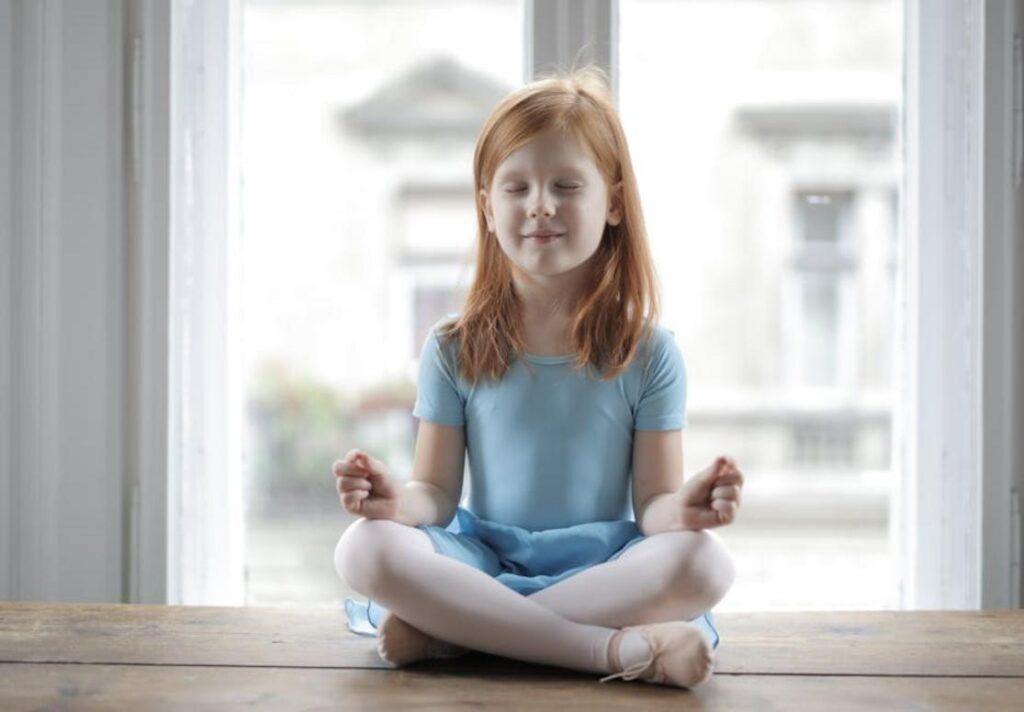
If you’re searching for practical ways to introduce mindfulness for kids into your daily routine, you’re likely looking for strategies that actually work in real family life—not just theory. Many parents want to help their children feel calmer, focus better, and manage big emotions, but aren’t sure where to start or how to make mindfulness age-appropriate and engaging.
This article is designed to give you clear, research-informed guidance you can use right away. We draw on established child development principles, educational best practices, and insights from child psychology experts to ensure the strategies shared here are both effective and realistic for busy households.
You’ll discover simple activities, practical tips, and easy adjustments you can incorporate at home to help your child build emotional awareness, resilience, and focus. Whether your child is a toddler or in elementary school, this guide will help you confidently support their well-being through mindful habits that fit naturally into everyday family life.
After-school meltdowns. Bedtime worries. Sudden tears over the wrong cup. If this sounds familiar, you’re not alone. Children feel big emotions, but they don’t always have the words or tools to handle them. That gap creates stress for everyone.
The good news? Mindfulness can be simple and playful. Think of mindfulness for kids as a set of superpowers: noticing feelings, taking slow “dragon breaths,” or pausing to name emotions like weather—“stormy,” “cloudy,” “sunny.”
Start today: practice three deep breaths together, create a calm-down corner, and model labeling your own feelings. Small, consistent moments build lasting emotional resilience over time naturally.
Children have two main brain teams working every day: the “upstairs brain” and the “downstairs brain.” The upstairs brain helps with thinking, planning, problem-solving, and making good choices. Think of it as a wise owl that pauses before acting. The downstairs brain handles big feelings like anger, fear, or excitement. It is more like a loyal guard dog that reacts FAST.
When emotions surge, a “downstairs brain takeover” can happen. That means the guard dog barks so loudly the owl cannot be heard. Kids may yell, cry, or slam doors because clear thinking goes offline. This is normal, not naughty.
mindfulness for kids works like practice reps at the gym for the brain. Slow breathing, noticing sounds, or naming feelings strengthens the connection between owl and dog. The goal is not to erase feelings, but to NOTICE them without letting them take over.
| Brain Part | Job | Animal Image |
| Upstairs Brain | Thinking & Planning | Wise Owl |
| Downstairs Brain | Emotions & Reactions | Guard Dog |
Setting the Stage: How to Introduce Mindfulness Without the Fuss
Introducing mindfulness for kids is a lot like planting a garden. You don’t dump a bucket of water on the soil and expect instant flowers. You start with a few drops—consistently.
Start small. One or two minutes is a huge win. In fact, consistency matters more than duration (think daily drizzle, not occasional thunderstorms). Research shows even brief mindful breathing can reduce stress in children (American Psychological Association).
Next, make it playful. Turn breathing into a “bubble mission” or have a stuffed animal ride their belly like a tiny surfboard. When it feels like a game, not a chore, kids lean in.
Also, model the behavior. Let them catch you taking a calm breath. Show, don’t lecture. Kids mirror us more than we realize.
Then, pick your moment. Bedtime or post-bath works best. Not mid-meltdown.
Pro tip: Pair mindfulness with routines, just like creating a screen time plan that supports child wellbeing—it works best when it’s predictable.
5 Simple Mindfulness Exercises Your Child Can Try Today

Kids don’t always have the words to explain what they’re feeling (and honestly, sometimes adults don’t either). That’s where simple, practical exercises can help. These activities turn big emotions into something your child can see, feel, and understand—no long lectures required.
If you’ve been curious about mindfulness for kids but weren’t sure where to start, these five techniques are easy to try today.
1. The Breathing Buddy
This calming exercise makes breathing visible.
How to do it:
- Have your child lie on their back.
- Place a favorite stuffed animal on their belly.
- Ask them to watch their “buddy” rise as they breathe in and fall as they breathe out.
Breathing is often an abstract concept. Seeing the toy move makes it concrete (and surprisingly fun). Slow belly breathing can help regulate the nervous system, lowering stress responses (Harvard Health Publishing).
2. The Spidey-Sense Walk
Turn an ordinary walk into a sensory adventure.
Ask your child to notice:
- 5 things they can see
- 4 things they can feel
- 3 things they can hear
- 2 things they can smell
- 1 thing they can taste
This “5-4-3-2-1” grounding method is widely used to reduce anxiety by anchoring attention in the present moment (Anxiety Canada). Bonus: calling it “Spidey-Sense” mode makes it feel heroic instead of therapeutic.
3. The Emotional Weather Report
Feelings can be tricky to name. Try asking, “What’s the weather like inside you today?”
Sunny (happy), rainy (sad), stormy (angry), or cloudy (confused)?
This metaphor creates emotional distance, which psychologists call affect labeling—the act of naming emotions to reduce their intensity (UCLA research). No fixing required. Just noticing.
4. The Glitter Jar
Fill a jar with water, glue, and glitter. Shake it.
Explain: “This is your mind when you’re upset—swirly and hard to see through.” Then watch the glitter settle.
Stillness helps thoughts settle too. It’s a powerful visual reminder (and yes, mesmerizing for adults as well).
5. The Heartbeat Hug
Give a firm, gentle hug. Stay quiet. See if your child can feel your heartbeat—and then their own.
Physical connection activates calming hormones like oxytocin (Cleveland Clinic). Sometimes the best grounding tool is simply being held.
Try one today. Small moments of awareness can build lifelong emotional skills.
Teaching calm is like offering a child a flashlight in a dark room; the beam doesn’t remove the shadows, but it helps them see. For toddlers ages 2-4, keep practices sensory and short. Think “smell the flower” breathe in and “blow out the candle” breathe out. In the same way you’d hand them a favorite blanket, offer textures, soft sounds, and quick moments they can hold.
As children grow 5-8, their imagination becomes a playground. Therefore, guided stories and drawing their “inner weather” turn feelings into pictures—stormy, sunny, or mixed. It’s mindfulness for kids wrapped like a bedtime tale.
Meanwhile, tweens 9-12 want relevance. Connect practices to sports focus, test jitters, or friendship drama. Additionally, introduce simple apps with guidance or journaling, like giving them a compass for social seas. Gradually, these tools become anchors they can carry anywhere. Over time, confidence grows with each steady breath and calm choices.
A Calm Foundation That Grows
Mindfulness is a practice, not a quick fix. Some parents hope for instant peace, yet real change comes from showing up consistently and celebrating effort over outcome. By introducing simple coping strategies and mindfulness for kids, you’re giving your child a toolkit they can carry into school, friendships, and adulthood. That means resilience when life feels overwhelming. Choose one of these playful exercises to try with your child this week. The goal is simply to share a quiet moment and plant a seed of calm that will grow with them for years to come.
Helping Your Child Thrive With Mindfulness Every Day
You came here looking for real, practical ways to support your child’s emotional well-being—and now you have them. By introducing mindfulness for kids into your daily routine, you’re giving your child tools to manage big emotions, improve focus, and build confidence that lasts far beyond childhood.
Parenting can feel overwhelming, especially when meltdowns, anxiety, or lack of focus start affecting your child’s happiness and your family’s peace. The good news is that small, consistent mindfulness habits can create meaningful change. A few minutes of breathing practice, guided reflection, or intentional family connection each day can help your child feel calmer, more secure, and more in control.
Don’t let stress and emotional struggles become the norm in your home. Start implementing one simple mindfulness activity today and build from there. For more expert-backed parenting strategies, engaging family activities, and practical child development insights trusted by thousands of families, explore our resources now and take the next step toward a calmer, more connected home.
 There is a specific skill involved in explaining something clearly — one that is completely separate from actually knowing the subject. Lauranete Riverans has both. They has spent years working with healthy parenting practices in a hands-on capacity, and an equal amount of time figuring out how to translate that experience into writing that people with different backgrounds can actually absorb and use.
Lauranete tends to approach complex subjects — Healthy Parenting Practices, Educational Resources for Kids, Expert Advice being good examples — by starting with what the reader already knows, then building outward from there rather than dropping them in the deep end. It sounds like a small thing. In practice it makes a significant difference in whether someone finishes the article or abandons it halfway through. They is also good at knowing when to stop — a surprisingly underrated skill. Some writers bury useful information under so many caveats and qualifications that the point disappears. Lauranete knows where the point is and gets there without too many detours.
The practical effect of all this is that people who read Lauranete's work tend to come away actually capable of doing something with it. Not just vaguely informed — actually capable. For a writer working in healthy parenting practices, that is probably the best possible outcome, and it's the standard Lauranete holds they's own work to.
There is a specific skill involved in explaining something clearly — one that is completely separate from actually knowing the subject. Lauranete Riverans has both. They has spent years working with healthy parenting practices in a hands-on capacity, and an equal amount of time figuring out how to translate that experience into writing that people with different backgrounds can actually absorb and use.
Lauranete tends to approach complex subjects — Healthy Parenting Practices, Educational Resources for Kids, Expert Advice being good examples — by starting with what the reader already knows, then building outward from there rather than dropping them in the deep end. It sounds like a small thing. In practice it makes a significant difference in whether someone finishes the article or abandons it halfway through. They is also good at knowing when to stop — a surprisingly underrated skill. Some writers bury useful information under so many caveats and qualifications that the point disappears. Lauranete knows where the point is and gets there without too many detours.
The practical effect of all this is that people who read Lauranete's work tend to come away actually capable of doing something with it. Not just vaguely informed — actually capable. For a writer working in healthy parenting practices, that is probably the best possible outcome, and it's the standard Lauranete holds they's own work to.