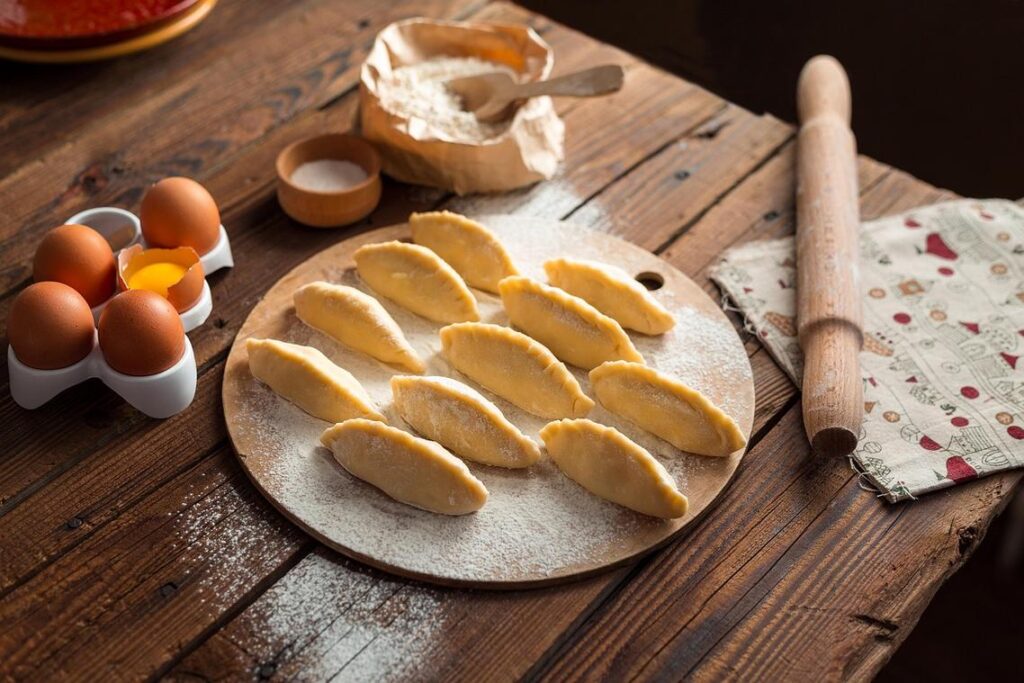
If you’re looking for meaningful ways to spend time with your children while helping them learn real-life skills, you’re in the right place. Many parents want activities that go beyond screen time—projects that build confidence, encourage creativity, and strengthen family bonds. That’s exactly where cooking projects for kids come in.
This article is designed to help you turn everyday kitchen moments into fun, educational experiences. You’ll discover age-appropriate ideas, practical safety tips, and simple ways to weave learning into each activity—from basic math skills to healthy eating habits and teamwork.
Our guidance is grounded in established child development principles and informed by widely recommended parenting practices, ensuring the advice is both practical and developmentally appropriate. Whether you have a preschooler eager to stir or a tween ready to follow a recipe, you’ll find clear, actionable ideas to make your time in the kitchen rewarding, safe, and memorable.
More Than a Meal: The Hidden Developmental Benefits of Cooking
Cooking with children is far more than a way to fill plates; it’s a surprisingly powerful classroom. For starters, measuring flour or counting spoonfuls quietly teaches fractions, volume, and basic arithmetic—concepts educators say are foundational for later math success (National Math Advisory Panel). Meanwhile, following a recipe strengthens reading comprehension and sequencing, which researchers link to stronger executive function.
Just as important, stirring, whisking, and kneading build fine motor control and hand-eye coordination. These small movements matter; pediatric occupational therapists often use similar tasks to strengthen developing muscles.
On the nutrition front, kids who help prepare meals are more likely to try new foods, according to studies published in Public Health Nutrition. In my view, cooking projects for kids also build confidence; completing a dish fosters responsibility and real-world problem-solving. And honestly, that pride on their faces is priceless truly.
Your Recipe for Safety: Setting Up a Kid-Friendly Kitchen
A kid-friendly kitchen doesn’t happen by accident—it’s designed with intention. Start by establishing clear, non-negotiable ground rules. Kids thrive on structure, especially during cooking projects for kids where excitement can override caution.
Set these expectations early:
- Wash hands before and after handling food
- Never touch hot surfaces
- Ask for help with sharp tools or plugged-in appliances
Next, create safe workstations. Use a sturdy, non-slip step stool so your child reaches counter height safely (no teetering on chairs). Clear clutter to reduce spills and distractions. Define “no-go” zones around the stove and oven—think of them as invisible force fields (because curiosity is powerful).
Tool choice matters more than many parents realize. Recommend nylon or plastic kid-safe knives, non-slip mixing bowls, and utensils sized for small hands. The right tools prevent frustration—and frustration often leads to accidents.
Finally, remember this: active supervision is your most important safety tool. Not scrolling nearby. Not multitasking. Present and engaged. A well-prepared environment makes supervision easier, but it never replaces it. When safety feels routine, confidence grows—and that’s the real secret ingredient.
From Toddler to Teen: Age-Appropriate Kitchen Tasks
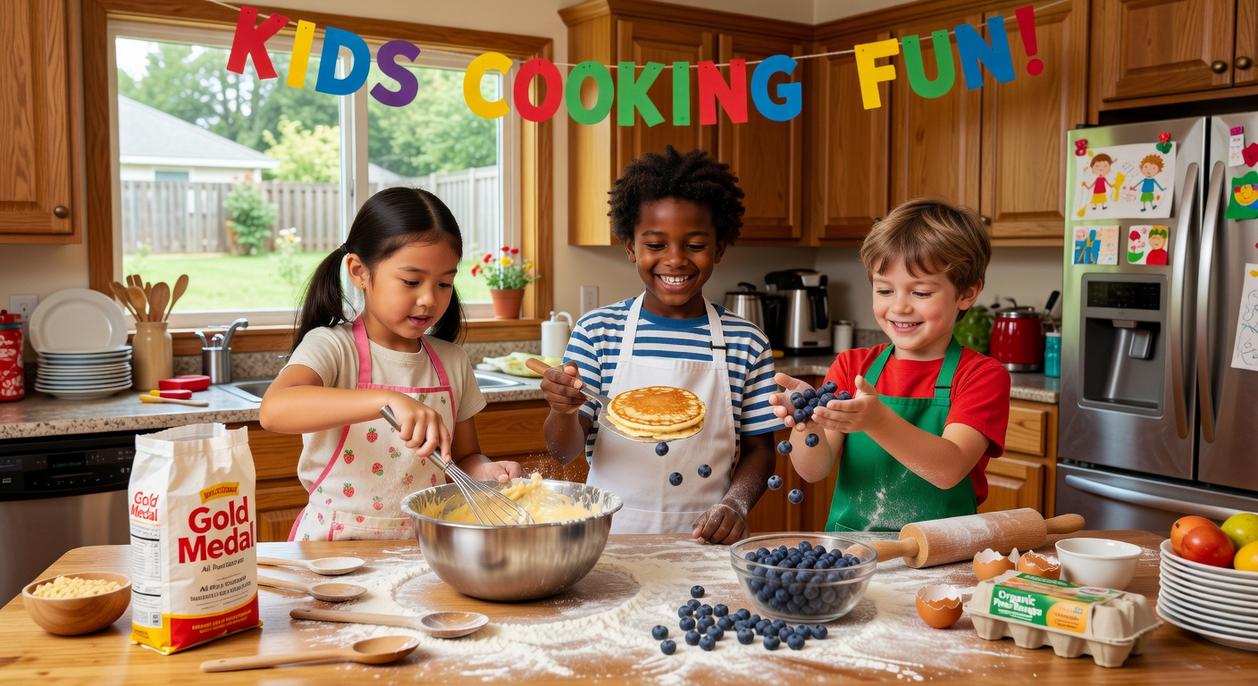
Getting kids into the kitchen sounds messy (and sometimes it is), but with the right tasks at the right age, it becomes one of the best learning labs at home. Here’s how to match skills to stages.
Ages 2–4: The Little Helpers
At this stage, focus on sensory tasks—activities that engage touch, sight, and smell to build brain connections (Harvard Center on the Developing Child). For example, let them wash produce in a bowl of water, tear lettuce, stir cold ingredients, or sprinkle cheese on pasta.
Tip: Pre-measure ingredients so they can pour safely without frustration.
Ages 5–7: The Eager Apprentices
Now you can introduce basic tools. Show them how to use a butter knife to cut soft foods like bananas. Teach them to crack eggs into a separate bowl first (so shell mishaps don’t ruin the batter). Measuring dry ingredients builds early math skills—fractions suddenly make sense when cookies are involved.
If you need inspiration, try pairing these lessons with cooking projects for kids during fun indoor family activities for rainy days.
Ages 8–11: The Sous Chefs
At this point, children can read recipes aloud, grate cheese carefully, peel vegetables, and use a manual can opener. Meanwhile, teach kitchen safety rules explicitly—don’t assume they “just know.”
Ages 12+: The Junior Chefs
Finally, encourage independence. Let them follow a recipe start to finish, use the stovetop with supervision, and plan a simple family meal.
Some argue kids should stay out of the kitchen for safety. However, research shows supervised risk builds competence and confidence (American Academy of Pediatrics). In other words, today’s spilled flour becomes tomorrow’s capable cook.
Ready, Set, Cook! 3 Foolproof Recipes for Family Fun
The first time I handed my toddler a skewer, I braced myself for chaos. Instead, I got intense concentration—and a proud grin. That’s the magic of cooking projects for kids: a little mess, a lot of learning (and surprisingly, fewer spills than expected).
Recipe 1: Rainbow Fruit Skewers with Yogurt Dip
This no-heat favorite builds fine motor skills—meaning the small muscle movements in hands and fingers that help with writing later on. My kids wash berries, peel pre-cut bananas, and create color patterns while threading fruit. According to the CDC, hands-on food prep supports early developmental skills (CDC.gov). Plus, spotting “red-blue-yellow” sequences sneaks in pattern recognition.
Next up, creativity takes center stage.
Recipe 2: Personal Pizza Faces on English Muffins
Spreading sauce strengthens coordination, while arranging olives and peppers into goofy faces sparks imagination. Yes, some argue food play encourages picky eating. I’ve found the opposite—when kids design dinner, they’re more likely to taste it (even the bell peppers).
Finally, something sweet and simple.
Recipe 3: Three-Ingredient Banana Oatmeal Cookies
Mashing bananas becomes a full sensory experience—texture, smell, squish. Stir in oats and chocolate chips, bake, and enjoy. Pro tip: let kids sample a tiny oat first; curiosity often beats resistance.
Helping Your Child Thrive Starts at Home
You came here looking for practical, meaningful ways to support your child’s growth—and now you have them. From understanding developmental milestones to creating engaging learning moments at home, you’re better equipped to nurture confidence, curiosity, and strong family bonds.
Parenting can feel overwhelming, especially when you’re unsure if you’re doing enough or doing it “right.” The truth is, small, intentional actions each day make the biggest difference. Whether it’s setting up creative play, encouraging open conversations, or trying fun cooking projects for kids, you’re building skills your child will carry for life.
Now it’s time to take the next step. Choose one strategy you learned today and put it into action this week. Consistency is what turns good intentions into real results.
If you want trusted, practical guidance that makes parenting easier—not more complicated—explore more of our expert-backed resources and family activities today. Join thousands of parents who rely on us for clear, proven advice that supports happy, healthy kids. Start now and give your child the confident start they deserve.
 Daniel Marshalliniar writes the kind of parenting tips and advice content that people actually send to each other. Not because it's flashy or controversial, but because it's the sort of thing where you read it and immediately think of three people who need to see it. Daniel has a talent for identifying the questions that a lot of people have but haven't quite figured out how to articulate yet — and then answering them properly.
They covers a lot of ground: Parenting Tips and Advice, Child Development Insights, Educational Resources for Kids, and plenty of adjacent territory that doesn't always get treated with the same seriousness. The consistency across all of it is a certain kind of respect for the reader. Daniel doesn't assume people are stupid, and they doesn't assume they know everything either. They writes for someone who is genuinely trying to figure something out — because that's usually who's actually reading. That assumption shapes everything from how they structures an explanation to how much background they includes before getting to the point.
Beyond the practical stuff, there's something in Daniel's writing that reflects a real investment in the subject — not performed enthusiasm, but the kind of sustained interest that produces insight over time. They has been paying attention to parenting tips and advice long enough that they notices things a more casual observer would miss. That depth shows up in the work in ways that are hard to fake.
Daniel Marshalliniar writes the kind of parenting tips and advice content that people actually send to each other. Not because it's flashy or controversial, but because it's the sort of thing where you read it and immediately think of three people who need to see it. Daniel has a talent for identifying the questions that a lot of people have but haven't quite figured out how to articulate yet — and then answering them properly.
They covers a lot of ground: Parenting Tips and Advice, Child Development Insights, Educational Resources for Kids, and plenty of adjacent territory that doesn't always get treated with the same seriousness. The consistency across all of it is a certain kind of respect for the reader. Daniel doesn't assume people are stupid, and they doesn't assume they know everything either. They writes for someone who is genuinely trying to figure something out — because that's usually who's actually reading. That assumption shapes everything from how they structures an explanation to how much background they includes before getting to the point.
Beyond the practical stuff, there's something in Daniel's writing that reflects a real investment in the subject — not performed enthusiasm, but the kind of sustained interest that produces insight over time. They has been paying attention to parenting tips and advice long enough that they notices things a more casual observer would miss. That depth shows up in the work in ways that are hard to fake.