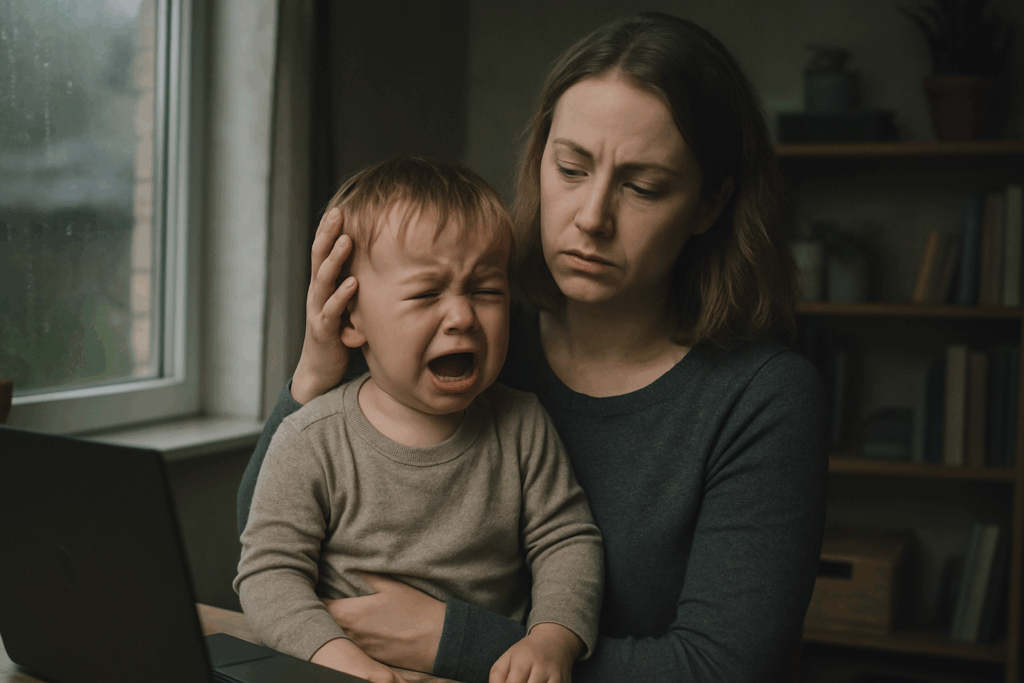

Learning can sometimes feel overwhelming for children, especially when academic expectations and structured routines create pressure at an early age. As parents, it is important to understand that a child’s ability to learn effectively is closely linked to their emotional comfort and enjoyment. When learning feels safe, engaging, and encouraging, children are more likely to stay curious, confident, and motivated to explore new ideas without fear of failure.
Creating a fun and stress-free learning experience does not require complex tools or strict schedules. Simple changes in approach, such as incorporating play, real-life examples, and age-appropriate resources, can make a significant difference. By focusing on enjoyment rather than performance, parents can help children build a positive relationship with learning that supports long-term academic growth and emotional well-being.
This article explores practical and parent-friendly strategies to make learning enjoyable and manageable for kids. From creating a supportive environment to using creative methods that match a child’s interests, these tips are designed to help parents reduce learning-related stress while nurturing curiosity and a lifelong love for learning.
Create a Positive and Pressure-Free Learning Environment
A positive and pressure-free learning environment plays a crucial role in helping children feel comfortable and confident while learning. When kids are not afraid of making mistakes, they are more likely to ask questions, explore new ideas, and develop problem-solving skills. Parents can support this by offering encouragement instead of criticism and focusing on effort rather than results. Creating a calm, well-organized study space with minimal distractions also helps children stay focused and relaxed during learning sessions.
Reducing unnecessary pressure allows children to enjoy the learning process at their own pace. Avoid constant comparisons with peers or unrealistic academic expectations, as these can increase anxiety and lower motivation. Instead, set achievable goals and celebrate small improvements to build confidence. Maintaining a consistent routine while allowing flexibility helps children feel secure and supported, making learning a positive experience rather than a stressful obligation.
Turn Everyday Activities into Learning Opportunities
Everyday activities offer valuable chances to make learning natural, engaging, and stress-free for children. Simple tasks such as cooking, grocery shopping, or organizing household items can help kids develop essential skills like counting, measuring, problem-solving, and decision-making. When parents involve children in daily routines, learning feels practical rather than forced. Asking questions, encouraging observation, and explaining simple concepts during these moments can spark curiosity and help children understand how learning connects to real life.
Using daily experiences as learning opportunities also strengthens a child’s confidence and independence. Activities like reading road signs, managing small expenses, or planning a family schedule can improve language, math, and critical thinking skills. These informal learning moments reduce pressure because children are not confined to books or worksheets. Instead, they learn through interaction and exploration, making education enjoyable, meaningful, and easy to remember.
Use Fun Explainer Videos for Difficult Topics
Some concepts can feel confusing or overwhelming for kids when explained only through textbooks or verbal instructions. Fun explainer videos help simplify difficult topics by using visuals, storytelling, and clear narration that match a child’s learning level. When children can see concepts explained step by step, they understand faster and feel less stressed. Parents can use short, focused videos to explain subjects like math problems, science concepts, or social skills, making learning more engaging and easier to remember.
With the help of an explainer video maker, parents and educators can also create customized learning videos tailored to a child’s needs. Tools like invideo explainer video maker allow users to generate explainer videos using AI avatars, voiceovers, subtitles, and background music by simply typing in an idea. This makes it easier to present complex topics in a friendly and interactive way, helping children stay interested while learning at their own pace.
Encourage Learning Through Play and Creativity
Play and creativity are essential elements of stress-free learning, especially for young children. Activities such as puzzles, board games, role-playing, drawing, and storytelling help children develop problem-solving, communication, and critical thinking skills in a natural way. When learning is introduced through play, children feel more relaxed and motivated, as they are not focused on right or wrong answers. This approach supports cognitive development while allowing kids to explore ideas freely and confidently.
Creative learning also encourages children to express themselves and understand concepts more deeply. Art projects, building activities, and imaginative play allow kids to apply what they have learned in their own way. Parents can support this by providing simple materials and letting children lead the activity. By combining learning with creativity and play, parents help children build a positive attitude toward education while reducing stress and frustration.
Follow Your Child’s Interests and Learning Style
Every child learns differently, and understanding your child’s interests and learning style can make education more enjoyable and effective. Some children learn best through visuals, while others prefer listening, hands-on activities, or movement-based learning. When parents observe how their child naturally engages with information, they can adapt learning methods to match those preferences. Encouraging topics that genuinely interest the child, such as animals, stories, or building activities helps increase motivation and reduces resistance to learning.
Following a child’s interests also supports confidence and long-term engagement. When learning feels relevant and enjoyable, children are more willing to explore new concepts without feeling pressured. Parents can offer choices in learning activities and allow children to progress at their own pace. This personalized approach not only strengthens understanding but also helps children develop independence, curiosity, and a positive attitude toward learning.
Maintain a Healthy Balance Between Learning and Rest
Maintaining a healthy balance between learning and rest is essential for a child’s overall development and well-being. Continuous study without breaks can lead to fatigue, reduced concentration, and increased stress. Parents should encourage regular breaks, adequate sleep, and time for relaxation to help children recharge mentally and physically. Short learning sessions combined with rest periods improve focus and help children retain information more effectively.
Rest and play are just as important as structured learning activities. Outdoor play, physical exercise, and free time allow children to process what they have learned while supporting emotional and physical health. Creating a flexible daily routine that includes learning, rest, and leisure helps prevent burnout. When children feel refreshed and balanced, they approach learning with more enthusiasm, confidence, and a positive mindset.
Conclusion
Making learning fun and stress-free for kids starts with understanding their needs, interests, and emotional well-being. By creating a supportive environment, using creative methods, and maintaining a healthy balance between learning and rest, parents can help children develop confidence and curiosity. When learning feels enjoyable rather than pressured, children are more likely to stay engaged and build a positive attitude toward education that supports lifelong growth.