
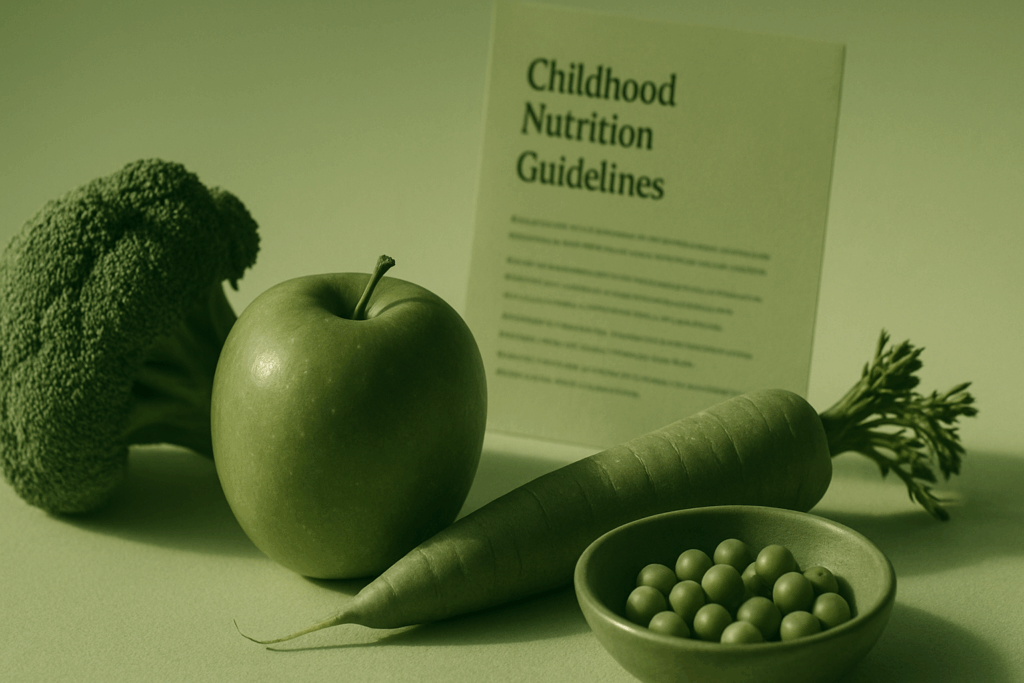
Why Daily Habits Matter
Healthy eating doesn’t start with a giant overhaul. It starts with the small stuff: what’s in the pantry, what shows up on the plate, how often kids see you grab a banana instead of a bag of chips. When it comes to shaping behavior, consistency beats intensity. One off salad nights won’t do much but broccoli showing up twice a week? That starts to stick.
Kids take their cues from patterns. They notice what ‘normal’ looks like. If meals regularly include fruits and vegetables, if soda isn’t always around, if water is the go to drink over time, those become the standard, not the exception. You’re not forcing kale down their throats. You’re just building a rhythm they start to expect.
The key isn’t pressure. It’s presence. Put the healthy stuff on repeat. Keep the tone low key and keep showing up with better choices. Eventually, they will too.
Make Healthy Food the Default
If it’s in the house, it’s fair game. So the first step is loading your kitchen with more real food think whole grains, lean proteins, fruits, and vegetables and clearing out the bottomless stash of salty or sugary snacks. It’s not about perfect eating; it’s about cleaning up the everyday defaults.
Next, make the good stuff easy to reach. A fruit bowl on the counter. Sliced carrots or grapes at eye level in the fridge. Kids are more likely to grab what’s front and center. Accessibility matters just as much as availability.
And don’t come down with the hammer. Instead of banning soda outright, slip in flavored sparkling water or water with fruit slices. Swap chips for popcorn you pop yourself. Trade candy bars for frozen banana bites. When healthier choices feel like options not punishments kids are more likely to stick with them.
Involve Kids in the Process
One of the fastest ways to get kids to care about what they eat? Put them in the driver’s seat just a little. Start at the grocery store. Let them help choose produce: red apples or green? Carrots or snap peas? Giving kids some say adds excitement and a sense of ownership, and they’ll be more likely to eat whatever they picked.
At home, get them involved with simple kitchen tasks. Washing veggies, spinning salad greens, tearing lettuce these are easy, safe, and actually helpful. Even younger kids can dump ingredients into a bowl or mash with a fork. It’s not about perfection. It’s about building comfort and interest around food.
And here’s the kicker: give age appropriate choices. Not full control, just options. “Do you want strawberries or blueberries with breakfast?” That tiny bit of power plants a big seed of independence. Kids are more likely to try (and like) foods they helped choose and prepare.
Model the Habits Yourself

Kids learn best by watching, not listening. Your daily food choices, attitudes, and mealtime behavior directly influence how they approach eating. If you want your child to develop a healthy relationship with food, it starts with what and how you eat yourself.
Eat With Them, Not Just Feed Them
Sit down and share meals together regularly.
Let them see you trying new fruits or enjoying vegetables.
Mealtime should feel communal, not transactional.
When children see you enjoying the same foods you’re offering them, they’re more likely to follow suit. This builds trust and curiosity, especially around new dishes.
Keep the Food Talk Positive
Focus on what food does for the body: “Carrots help us see better, whole grains give us energy.”
Highlight the variety and color on their plate without pressure.
Avoid moralizing food. Say “Let’s try something new today” instead of “You have to eat that because it’s good for you.”
Framing food in a positive, informative way makes kids more open to trying things at their own pace.
Ditch the Labels
Avoid calling foods “bad,” “junk,” or “off limits.”
Instead, teach moderation: there’s room for all foods in a balanced diet.
Saying “We don’t eat that” can lead to guilt or obsession when those foods appear elsewhere.
Creating a healthy approach to food means fostering balance not restriction. Kids who grow up without food shaming are more likely to develop thoughtful eating habits that last well into adulthood.
Keep Mealtimes Structured But Stress Free
Kids thrive on rhythm. Having meals and snacks at regular times helps their bodies regulate energy and focus. No need to obsess over the clock but skipping meals or letting kids graze all day can throw things off. Aim for three balanced meals and two small snacks spaced out through the day. It’s simple structure, not a boot camp.
During meals, keep screens off. That applies to adults too. Eating together, even for 15 20 minutes, encourages conversation, models good habits, and helps kids tune into hunger and fullness signals. It doesn’t need to be a formal dinner just tech free and somewhat intentional.
And finally, resist the urge to become the Clean Plate Police. Forcing kids to finish everything teaches them to ignore how full they feel. Instead, offer realistic portions, let them listen to their own hunger cues, and offer seconds if needed. The goal isn’t just to get food in; it’s to build a healthy relationship with it.
Be Patient and Consistent
Establishing healthy eating habits doesn’t happen overnight especially with kids. Preferences change, taste buds evolve, and what gets rejected today might be accepted tomorrow. Staying consistent and patient is key. Here’s how to keep a healthy mindset while encouraging better choices:
Offer Veggies Often (And in Different Ways)
Don’t give up after one try most kids need to taste a new food multiple times before warming up to it
Experiment with cooking methods: roast, steam, sauté, or blend into soups and sauces
Pair unfamiliar vegetables with familiar favorites to increase acceptance
Praise the Effort, Not Just the Outcome
Celebrate when your child is willing to try something new even if they don’t love it
Focus on the behavior: “I like how you gave that a taste,” instead of “Good job eating it all”
Encouragement fosters openness and reduces pressure
Think Long Term: Healthy Eating is a Journey
Avoid expecting instant results a shift in habits takes weeks, even months
Develop routines that stick, rather than quick fix meal plans
Keep the tone relaxed forcing food can cause resistance
Healthy eating should feel empowering, not like a chore. By staying steady and supportive, you’re building habits that can last your child a lifetime.
(For even more simple strategies, visit these helpful healthy eating tips.)
Small Shifts That Make a Big Impact
When it comes to encouraging healthy eating habits in kids, it’s often the little changes that create the biggest ripple effect. By making healthy choices fun, accessible, and part of the everyday routine, parents can help build lifelong habits without constant battles or pressure.
Try One New Fruit Per Week
Instead of overhauling the grocery haul, keep it simple:
Let your child choose a fruit they haven’t tried before
Explore options beyond apples and bananas think kiwi, mango, or starfruit
Make it interactive: slice it together, taste test, and rate the “fruit of the week”
This keeps healthy eating playful and introduces variety to their palate.
Make Meals Visually Fun
Presentation can transform how kids think about food:
Use bento boxes to mix colors, textures, and food groups in small portions
Cut sandwiches, fruits, or veggies into fun shapes with cookie cutters
Offer a “build your own” lunch option with different healthy toppings or dippers
The goal isn’t perfection it’s curiosity and excitement about what’s on their plate.
Prep Grab and Go Snacks
Convenience matters, especially for growing kids on the move. Make healthy choices the easy default:
Keep a fridge bin stocked with items like individually packed yogurt, sliced veggies, and cheese sticks
Prepare small containers of hummus, nut butter (if allergy safe), or trail mix
Encourage kids to help with the snack prep so they’re more likely to eat it later
By having nutritious options ready at eye level, snack time becomes healthier without requiring constant supervision.
Small changes like these don’t require a full kitchen overhaul just a few mindful shifts that add up over time.
Bonus: Keep It Real
Healthy eating isn’t about strict rules or all or nothing thinking. Kids need to learn how to enjoy treats without guilt and without turning them into forbidden fruit. A cookie after lunch or pizza on a Friday night isn’t going to derail progress. When treats are part of the picture, not the whole picture, balance becomes the norm.
Perfection? Not the goal. Skipped vegetables or a sugary snack here and there doesn’t mean failure. What counts is the direction, not the detours. If most meals look balanced over time, and if your efforts stay steady, you’re doing it right.
The real wins come from the small things done often. A sliced apple added to lunch. Showing your kid how to read a food label. Sitting down together to eat. These may not look flashy, but they build the habits that last.
Tiny actions, day after day. That’s where the impact lives. Just keep showing up and make it real, not rigid.