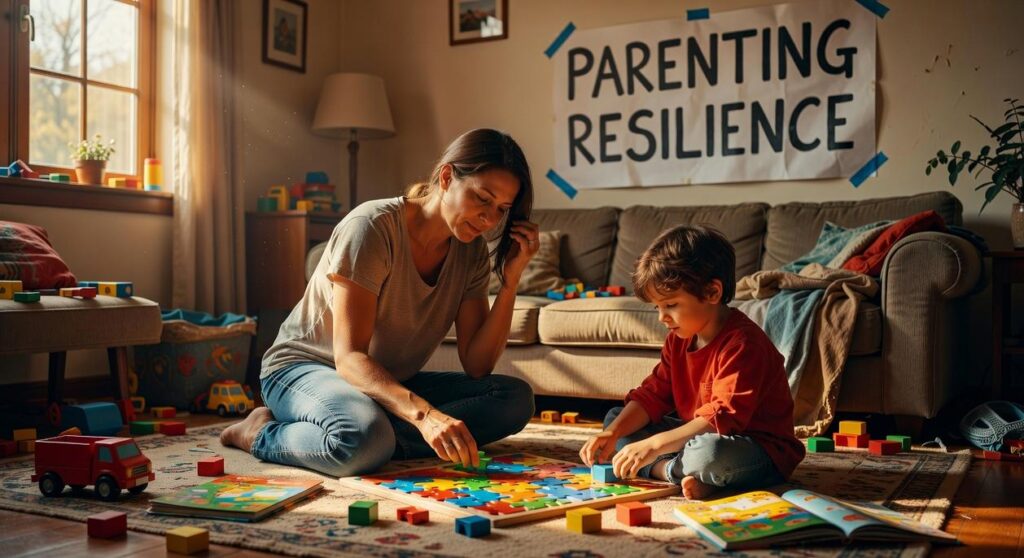
Every parent wants to raise happy, confident, and resilient children—but with so much conflicting advice online, it can be hard to know what truly works. If you’re searching for practical parenting tips, meaningful family activities, and expert-backed child development guidance, you’re in the right place. This article is designed to give you clear, research-informed strategies that support your child’s growth while helping you create a balanced family lifestyle that feels sustainable and rewarding.
We’ve carefully reviewed established child development research, educational best practices, and insights from experienced family professionals to ensure the guidance you’ll find here is both reliable and actionable. Whether you’re navigating early learning milestones, strengthening family routines, or looking for healthy parenting approaches that truly make a difference, this guide will provide straightforward, trustworthy advice you can confidently apply in your everyday life.
From Chaos to Calm: Building a Family Routine That Actually Works
Most routines fail because they copy someone else’s life. We start differently: map your family’s energy, not just the clock. Child development research shows predictable rhythms reduce anxiety and improve cooperation (American Academy of Pediatrics). But structure without flexibility creates rebellion. The sweet spot is a balanced family lifestyle built on three anchors:
• NON-NEGOTIABLE mornings and evenings.
• FLEXIBLE work and homework blocks.
• WEEKLY reset conversations.
Competitors talk schedules; they ignore transition rituals and recovery time. Add five-minute buffers between activities and a Sunday planning huddle. Pro tip: let kids help design the chart—they follow what they co-create. When routines wobble (and they will), adjust inputs, not expectations. Consistency beats perfection, every time. Start small this week, then build momentum together. Calm grows from intentional daily practice.
Why “Go With the Flow” Fails: The Science Behind Predictability and Well-Being
“Go with the flow” sounds freeing. In reality, it often creates low-grade chaos (and more negotiations than a hostage movie).
The Child’s Perspective
Children thrive on predictability because routine builds what psychologists call psychological safety—the feeling that the world is stable and manageable. During early developmental stages, especially ages 3–7, the brain is wiring patterns for emotional regulation. When bedtime, meals, and transitions happen consistently, anxiety drops and power struggles decrease. A predictable schedule acts like guardrails on a highway—kids still move forward, just with fewer crashes.
The Parent’s Advantage
Adults benefit too. Repeated decisions drain mental energy, a phenomenon known as decision fatigue. When dinner, homework, and bedtime follow a rhythm, you free up cognitive space for meaningful connection—or a quiet cup of tea. Pro tip: automate small choices (like weekly meal rotations) to reclaim time.
The Work-Life Balance Myth
Balance isn’t a perfect 50/50 split. It’s a structured system with intentional time blocks. A balanced family lifestyle is built, not stumbled into.
Educational Benefit
Consistent homework and reading times strengthen focus and memory consolidation. Studies suggest routine improves academic outcomes (American Academy of Pediatrics).
Looking ahead, it’s reasonable speculation that families embracing structured rhythms will see lower stress and stronger long-term resilience.
The 4 Pillars of a Harmonious Routine: Communication, Flexibility, Consistency, and Fun

Pillar 1: Collaborative Communication
Research from the American Academy of Pediatrics shows children are more likely to follow routines they help create (AAP, 2018). A simple weekly “family meeting” builds ownership. Even preschoolers can participate. Try questions like:
- What’s one part of our day that feels rushed?
- What helps you feel calm before bed?
- What’s one thing we should keep the same next week?
When kids contribute ideas, cooperation increases (think less “because I said so,” more teamwork). Write decisions down and post them where everyone can see. VISIBILITY builds accountability.
Pillar 2: Strategic Flexibility
A rigid schedule runs by the clock; a flexible routine runs by sequence. In other words, dinner happens after homework—even if homework ends late. Studies on family stress show adaptable structures reduce conflict during disruptions (Journal of Family Psychology, 2016). Plan for sick days or events by identifying “must-do” versus “nice-to-do” tasks. If a soccer game runs long, keep bedtime steps but shorten the story. The routine bends; it doesn’t break.
Pillar 3: Gentle Consistency
Consistency predicts better sleep and emotional regulation in children (Sleep Medicine Reviews, 2015). Use the 80/20 rule: protect anchor points like wake-up time, dinner, and bedtime 80% of the time. The other 20%? Life happens. This balance supports a balanced family lifestyle without perfection pressure.
Pillar 4: Infusing Fun
Families who share positive rituals report stronger bonds (APA, 2020). Turn cleanup into a two-song race. Make transitions connection points—one joke at breakfast, one high-low share at dinner. When routines feel good, they last.
Blueprint in Action: Crafting Your Morning and Evening Rhythms
The “Launch Pad” Morning Routine
Mornings don’t have to feel like a fire drill (even if someone can’t find their shoes).
Start with a simple checklist:
- Prep clothes and lunches the night before.
- Bags packed and by the door.
- A “no screens before breakfast” rule.
- A 5-minute family connection moment.
One parent told me, “When we banned phones at breakfast, the arguing dropped overnight.” Research backs this up: excessive morning screen time is linked to mood and attention challenges in kids (American Academy of Pediatrics).
Try a quick connection ritual: “What’s one thing you’re excited about today?” It sounds small, but these micro-moments build emotional security (Harvard Center on the Developing Child).
Pro tip: Put the checklist on the fridge at kid eye-level.
The “Soft Landing” Evening Routine
Evenings set the tone for tomorrow.
Create a sequence:
- Designated tech-free hour (yes, for parents too).
- Streamlined dinner and 10-minute cleanup sprint. (“Okay team, power tidy!”)
- Consistent homework or reading block.
- Calming bedtime ritual—bath, story, lights out at the same time nightly.
“Why do we have to read every night?” one child groaned. The parent replied, “Because your brain grows while you sleep—and stories feed it.” They’re right. Consistent bedtime routines improve sleep quality and behavior (Sleep Foundation).
Visual Aids for Kids
Younger children thrive with visual charts. Pictures of brushing teeth, putting toys away, or packing backpacks foster independence and ownership.
Parenting Tip
Model the rhythm you want. If you’re calm and consistent, kids follow. That’s how routines support a balanced family lifestyle and help with managing parental stress in a busy household.
Resistance is normal—stop treating it like defiance. When a child says, “I don’t want to,” try: “I hear you. It’s still happening. Do you want to start now or in five minutes?” Similarly, with partners: “What would make this easier tonight?”
However, routines will collapse. Instead of marathon catch-ups, reset with one anchor habit. After all, consistency beats intensity (yes).
Finally, seasons change; your schedule should too. A balanced family lifestyle adapts, not rigidly persists.
Your First Step Towards a More Balanced Family Life
I believe most families aren’t failing; they’re simply reacting. When every day feels like a fire drill, stress becomes the default. A clear, compassionate routine shifts you toward intentional harmony, and that shift is everything.
Some argue structure kills spontaneity. I disagree. The right structure protects energy so joy has room to breathe. That’s how a balanced family lifestyle actually sticks.
Try this tonight:
• Prep lunches before bed.
• Set a five-minute family check-in.
Small, consistent steps compound quickly. In my experience, consistency beats grand overhauls every single time always.
Building a Healthier, Happier Home Starts Today
You came here looking for practical ways to create a calmer, more connected home—and now you have clear, actionable strategies to support your child’s growth while strengthening your family bond. From encouraging positive habits to creating meaningful routines, you’re better equipped to nurture a balanced family lifestyle that supports both parents and children.
The challenge, of course, is consistency. Busy schedules, screen time battles, and daily stress can quickly pull families off track. But small, intentional changes—done consistently—are what truly transform a household.
Now it’s your move. Choose one strategy you learned today and put it into action this week. Then build from there. Families who take consistent, informed steps see stronger communication, healthier habits, and more confident kids.
If you’re ready for proven parenting tips, engaging family activities, and expert-backed guidance trusted by thousands of parents, explore more of our resources today and start creating the thriving home your family deserves.
 There is a specific skill involved in explaining something clearly — one that is completely separate from actually knowing the subject. Zayric Xelthorne has both. They has spent years working with healthy parenting practices in a hands-on capacity, and an equal amount of time figuring out how to translate that experience into writing that people with different backgrounds can actually absorb and use.
Zayric tends to approach complex subjects — Healthy Parenting Practices, Parenting Tips and Advice, Child Development Insights being good examples — by starting with what the reader already knows, then building outward from there rather than dropping them in the deep end. It sounds like a small thing. In practice it makes a significant difference in whether someone finishes the article or abandons it halfway through. They is also good at knowing when to stop — a surprisingly underrated skill. Some writers bury useful information under so many caveats and qualifications that the point disappears. Zayric knows where the point is and gets there without too many detours.
The practical effect of all this is that people who read Zayric's work tend to come away actually capable of doing something with it. Not just vaguely informed — actually capable. For a writer working in healthy parenting practices, that is probably the best possible outcome, and it's the standard Zayric holds they's own work to.
There is a specific skill involved in explaining something clearly — one that is completely separate from actually knowing the subject. Zayric Xelthorne has both. They has spent years working with healthy parenting practices in a hands-on capacity, and an equal amount of time figuring out how to translate that experience into writing that people with different backgrounds can actually absorb and use.
Zayric tends to approach complex subjects — Healthy Parenting Practices, Parenting Tips and Advice, Child Development Insights being good examples — by starting with what the reader already knows, then building outward from there rather than dropping them in the deep end. It sounds like a small thing. In practice it makes a significant difference in whether someone finishes the article or abandons it halfway through. They is also good at knowing when to stop — a surprisingly underrated skill. Some writers bury useful information under so many caveats and qualifications that the point disappears. Zayric knows where the point is and gets there without too many detours.
The practical effect of all this is that people who read Zayric's work tend to come away actually capable of doing something with it. Not just vaguely informed — actually capable. For a writer working in healthy parenting practices, that is probably the best possible outcome, and it's the standard Zayric holds they's own work to.