Picking the Right Space and Setup
Start with sunlight. Most vegetables need 6 8 hours of direct light a day, so pick a spot that stays sunny, especially in the afternoon. No sun, no garden at least not one that thrives. Next, test the soil. If you’re working with a backyard, dig a bit. Soft, rich, and crumbly is what you’re after. If you hit clay or rocks, you might want to build up instead.
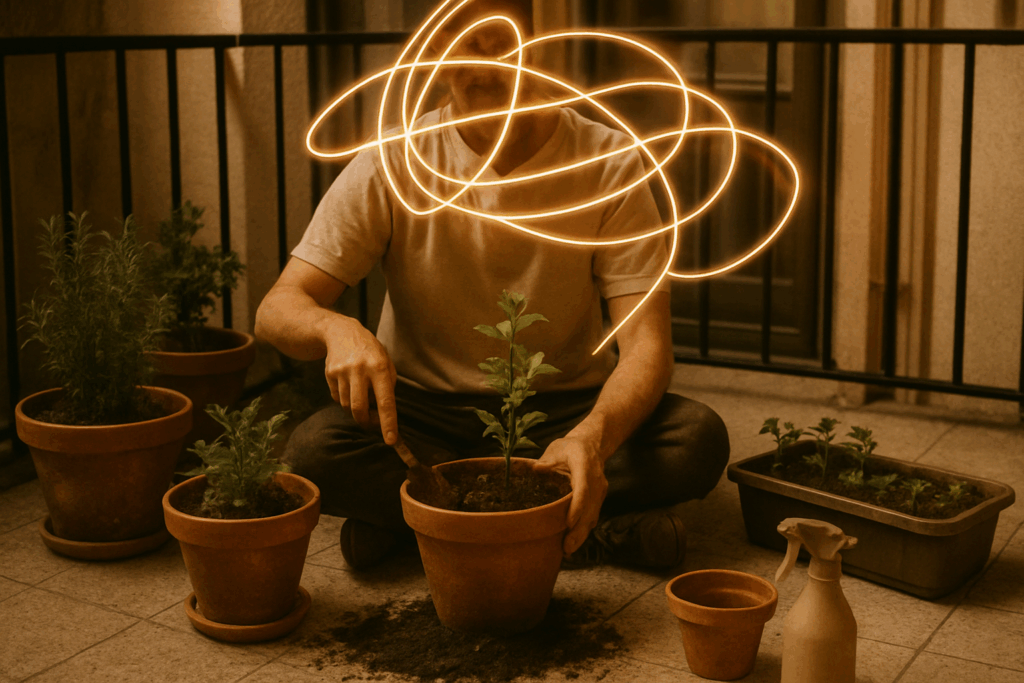
That’s where the question of setup comes in: raised beds, in ground, or containers. Raised beds give you better control ideal for poor native soil or if bending down is tough on the back. In ground gardens are great for bigger spaces and deeper rooted crops but require good natural soil and patience. Containers are the wildcard. They make gardening possible on patios, decks, even balconies. Tomatoes, greens, herbs all doable in a few buckets or pots.
Flexibility matters if the whole family’s involved. Got little kids? Set up a lower bed or a few pots within their reach. Older kids might enjoy building the garden boxes from scratch. Keep the pathways wide enough for easy walking, maybe even a stroller or wheelchair if you need that kind of access. The garden should be easy to enter, move through, and be part of.
No backyard? No problem. Indoor setups have come a long way. A sunny windowsill with a few pots of basil or lettuce can spark interest especially when everyone gets to help water or snack straight from the plant. There are compact hydroponic systems now, too, if you’re into gadgets. Gardening doesn’t have to be outside. It just has to be accessible, manageable, and seen.
Choosing Crops That Spark Curiosity
Picking the right crops is more than a gardening decision it’s a learning opportunity. By planting a variety of vegetables, herbs, and flowers that excite the senses, you create an environment where kids and adults alike can stay engaged, ask questions, and enjoy the process of growing food.
Quick Win Plants for Momentum
Get the garden off to a motivating start with fast growing plants. These quick wins give children a sense of progress and accomplishment early on:
Lettuce Sprouts in just a few days and can be harvested within weeks
Radishes Great for impatient gardeners; ready in as little as 25 days
Herbs Basil, mint, and cilantro grow fast and smell amazing
Visual Surprises and Unusual Favorites
Introducing colorful or unusual veggies makes gardening feel like an adventure. These varieties often spark curiosity and conversation:
Purple carrots A twist on a common veggie with a rich history
Rainbow Swiss chard Bright, striped stems that look like candy
Romanesco A fascinating fractal shaped veggie that doubles as a math lesson
Native Plants That Give Back
Incorporating native flowers or crops helps reinforce lessons about ecosystems and sustainability. They often require less care and attract local wildlife:
Milkweed Supports monarch butterflies
Black eyed Susan Drought tolerant and excellent for pollinators
Blueberry bushes Native to many regions and delicious when ripe
Add Edible Flowers for Fun and Flair
Flowers aren’t just beautiful they can also be edible and practical. Including a few tactile and tasty varieties adds both color and curiosity:
Nasturtiums Peppery petals that look like jewels
Calendula Mild flavor and cheerful, sunburst colored blooms
Violas Small, edible flowers that kids love to pick and taste
Choosing a mix of crops that grow quickly, look interesting, and support the environment can turn your garden into a living classroom one that inspires hands on exploration every day.
Teaching Opportunities in the Dirt
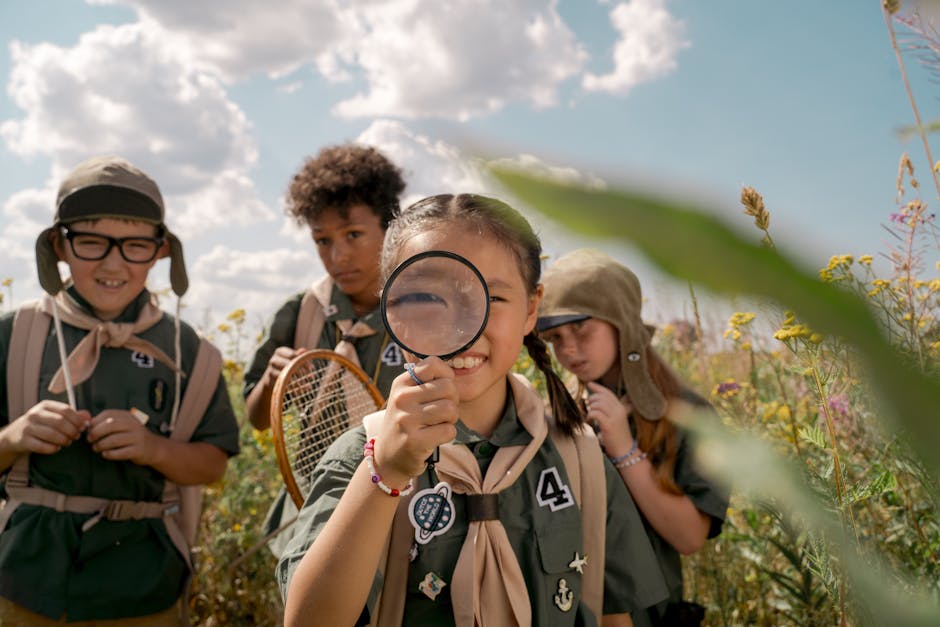
Gardening naturally ties into science, health, and sustainability it’s all right there in the soil. Kids don’t need a lecture on biology when they can watch a seed sprout or pull a carrot from the ground. Explaining the plant life cycle gets a whole lot easier when you can say, “Remember the bean we planted? It just flowered. Next up: pods.”
Nutrition clicks when kids taste what they grow. A tomato still warm from the sun makes the point better than any food pyramid. And with composting and organic practices, it’s easy to introduce sustainability as a hands on habit, not just a buzzword.
Set up a simple rotating task list one child waters on Mondays, another pulls weeds on Wednesdays. When kids own a piece of the garden, they start caring more and slacking less. Use low pressure tools like garden journals, sketches, or even weather tracking to build mindfulness and observation. It’s not about perfection. It’s about presence.
Start a family garden for more hands on learning strategies and planting guides.
Making It Fun and Consistent
Gardening can be equal parts work and wonder but consistency is what keeps a family garden thriving. Themed days like “Water Wednesdays” or “Harvest Fridays” carve out space in busy weeks and turn routine tasks into things to look forward to. Even young kids start to understand the rhythm: midweek we water, Fridays we pick.
Turn the garden into a place of play, not just productivity. Scavenger hunts (find three things that are red, fuzzy, or buzzing) or simple games like “who can spot the next sprout?” help younger ones stay curious and present. It doesn’t have to be elaborate, just consistent.
When it’s time to harvest, loop the kids into meal prep even if it’s just tearing lettuce or sprinkling herbs. Familiar veggies hit differently when they came from your own soil. It closes the loop and strengthens buy in.
And celebrate the little wins. First sprout? High five. First harvest? Maybe it’s breakfast with homegrown mint in your tea. These small rituals build a lasting sense of ownership. The habit becomes the memory. That’s where the real growth is.
Beyond the Backyard
A garden doesn’t have to do all the heavy lifting alone. Take it further by stepping outside your own space. Visiting local farms or community gardens can show your family different growing techniques, crop varieties, and community values around food. It keeps the learning alive and real.
Seed swaps and gardening clubs are low cost ways to meet people with dirt under their fingernails and stories to tell. Kids get excited picking out seeds, parents pick up tricks and tips, and the garden stays interesting year round.
If your harvest outpaces your appetite, don’t let it go to waste. Donating extra produce to local food banks connects the garden to a larger purpose. It teaches generosity and adds meaning to your efforts.
Finally, close the loop. Garden scraps, fallen leaves, and veggie peels can all find use in a backyard compost pile or community compost program. It’s not glamorous, but it’s powerful turning waste into fuel, and lessons into habits.
For a full walkthrough on how to Start a family garden that’s both meaningful and manageable, check out our complete beginner’s guide.
 There is a specific skill involved in explaining something clearly — one that is completely separate from actually knowing the subject. Lauranete Riverans has both. They has spent years working with healthy parenting practices in a hands-on capacity, and an equal amount of time figuring out how to translate that experience into writing that people with different backgrounds can actually absorb and use.
Lauranete tends to approach complex subjects — Healthy Parenting Practices, Educational Resources for Kids, Expert Advice being good examples — by starting with what the reader already knows, then building outward from there rather than dropping them in the deep end. It sounds like a small thing. In practice it makes a significant difference in whether someone finishes the article or abandons it halfway through. They is also good at knowing when to stop — a surprisingly underrated skill. Some writers bury useful information under so many caveats and qualifications that the point disappears. Lauranete knows where the point is and gets there without too many detours.
The practical effect of all this is that people who read Lauranete's work tend to come away actually capable of doing something with it. Not just vaguely informed — actually capable. For a writer working in healthy parenting practices, that is probably the best possible outcome, and it's the standard Lauranete holds they's own work to.
There is a specific skill involved in explaining something clearly — one that is completely separate from actually knowing the subject. Lauranete Riverans has both. They has spent years working with healthy parenting practices in a hands-on capacity, and an equal amount of time figuring out how to translate that experience into writing that people with different backgrounds can actually absorb and use.
Lauranete tends to approach complex subjects — Healthy Parenting Practices, Educational Resources for Kids, Expert Advice being good examples — by starting with what the reader already knows, then building outward from there rather than dropping them in the deep end. It sounds like a small thing. In practice it makes a significant difference in whether someone finishes the article or abandons it halfway through. They is also good at knowing when to stop — a surprisingly underrated skill. Some writers bury useful information under so many caveats and qualifications that the point disappears. Lauranete knows where the point is and gets there without too many detours.
The practical effect of all this is that people who read Lauranete's work tend to come away actually capable of doing something with it. Not just vaguely informed — actually capable. For a writer working in healthy parenting practices, that is probably the best possible outcome, and it's the standard Lauranete holds they's own work to.