The First Sounds: Birth to 12 Months
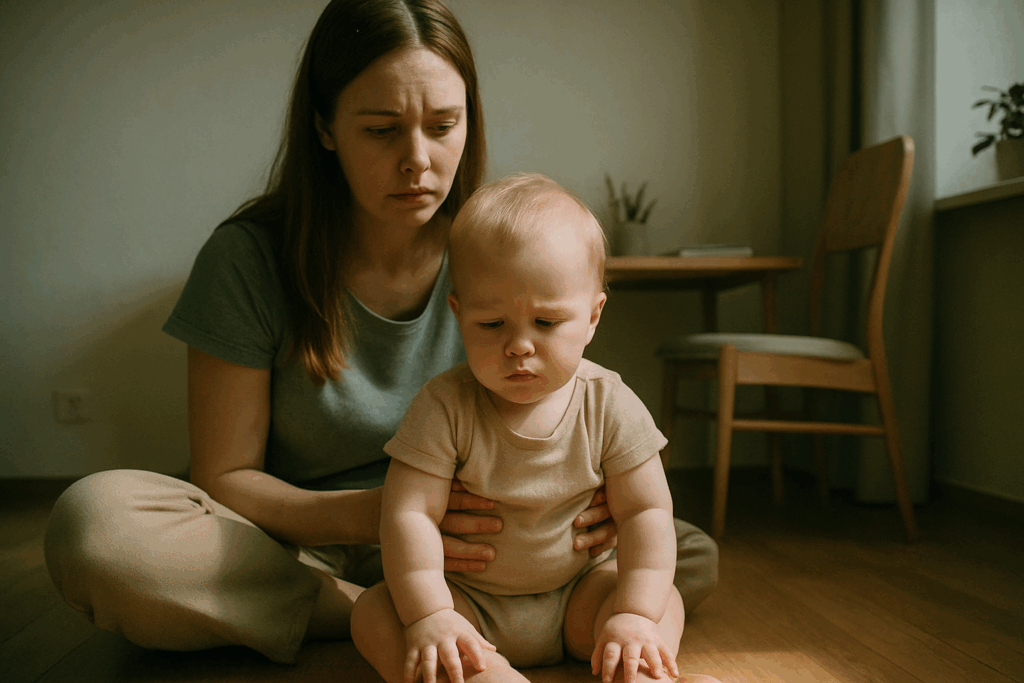
Language doesn’t land all at once it starts with sound. From birth, babies begin mapping the basics by cooing, gurgling, and babbling. These early vocal experiments aren’t random. They’re how infants connect sound to sensation, tone to emotion, and routine noise to social interaction. You’ll hear them play with pitch too rising and dipping as they mimic patterns they absorb from the world around them.
Just as important: your response. When babies hear familiar voices and get a reaction smiles, eye contact, verbal encouragement it locks in the idea that sounds carry meaning. That feedback loop is the starting point for future speech. No need for flashcards. Just attentive, face to face interaction does the job.
Imitation is another early tool. When infants watch your mouth move and try to copy the shapes and sounds, they’re actively wiring their brains for language. It’s messy, slow, and sometimes barely audible but crucial. These first noises aren’t words yet, but they are conversation starters in disguise. Give them time and attention, and watch the foundation take shape.
From Words to Sentences: Ages 1 to 3
Around the one year mark, most toddlers say their first real word. It’s often something practical or emotional “mama,” “ball,” “no.” From there, things tend to snowball. By age two, many kids are picking up new words nearly every day. This is the vocabulary explosion phase. They’re not just listening they’re absorbing and experimenting.
Sentence building tends to start with simple combos: two or three words strung together, like “want juice” or “go outside.” It’s not fancy, but it’s functional, and that matters.
Kids at this stage thrive on responsive communication. It helps to slow down, listen closely, and build on what they say. If they point and say “dog,” a great follow up might be, “Yes, that’s a big brown dog. It looks happy.” These kinds of exchanges create stronger language loops and help connect words to meaning.
Don’t overthink it. Ordinary chats diaper changes, snack time, the walk to the park are all chances to reinforce language. Keep it light, direct, and natural. That’s where growth happens.
Language Learning Through Play
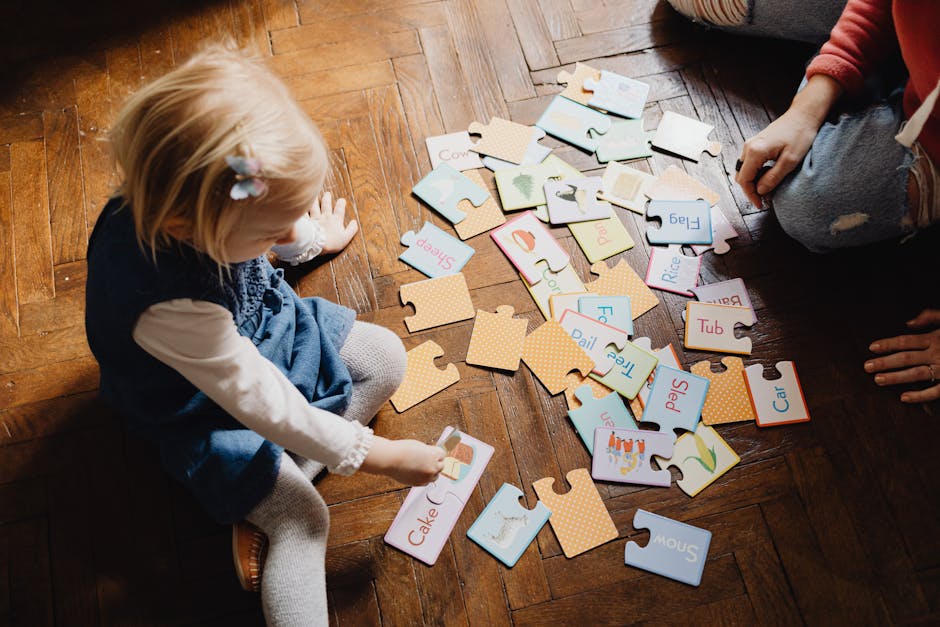
Toddlers don’t just talk more as they grow they play their way into better communication. Pretend play isn’t just cute; it’s a major training ground for language. When toddlers act out simple stories being a chef, pretending to be a parent, or hosting a tea party they start building narrative structure. They learn how a story unfolds: who does what, when, and why. That’s the groundwork for more complex communication down the road.
Singing songs, rhyming, and reading aloud go beyond entertainment. They sharpen listening skills and build vocabulary in context. A nursery rhyme teaches rhythm and word endings. A picture book introduces new language around colors, feelings, and actions. Repetition here isn’t boring it’s reinforcement.
Then there’s play with others. What starts as parallel play just playing beside another child eventually grows into cooperative play. That shift is big. It teaches kids to take turns, respond in conversation, and adjust their words to others. In that moment, language becomes social glue.
Turns out, playtime is prime time for language growth.
Recognizing Individual Pace

Not all kids learn to talk at the same speed and that’s okay. Some toddlers go from babble to full sentences in what feels like a week. Others take their time. Variation is normal, not a red flag.
That said, paying attention matters. A delay in speech doesn’t always point to a disorder, but catching potential issues early can make a real difference. Early support like modeling language, giving kids space to respond, or using visuals to reinforce words can close a lot of gaps before they widen.
Experts advise tracking general milestones but not micromanaging. Don’t push for perfect pronunciation or force corrections every time a kid says something “wrong.” Overcorrection can frustrate more than it helps. Keep things relaxed and encouraging. Your job isn’t to be a drill sergeant just to stay observant, engaged, and responsive to your child’s pace.
Professional Insight: When to Seek Support
Every child develops language skills at their own pace, but certain signs may suggest it’s time to seek professional support. Early identification and intervention can make a significant difference in communication outcomes.
Warning Signs to Monitor
Parents and caregivers should stay alert to a few key developmental indicators:
Very limited vocabulary after 18 months
Little to no sentence use after age 3
Lack of interest in verbal interaction
Difficulty following simple directions
If you notice these signs consistently, don’t panic but do take action.
The Role of a Speech Therapist
A certified speech language pathologist (SLP) can:
Evaluate your child’s expressive and receptive language skills
Identify any underlying delays or disorders
Recommend developmentally appropriate activities
Provide therapy or coaching tailored to your child’s needs
Early support often leads to better outcomes and reduces potential frustration for both the child and caregivers.
For Parents Seeking Guidance
If you’re looking for practical advice or wondering whether your child’s communication is on track, access expert strategies here:
speech therapist tips
Encouraging Growth at Home
Building strong language skills doesn’t require a classroom home offers countless opportunities for growth. Through everyday interaction, reading, and social engagement, parents and caregivers can lay a powerful foundation for communication.
Keep the Conversation Flowing
Young children learn through repetition and real time dialogue. Regular conversations, even about simple tasks, help associate words with actions and surroundings.
Narrate what you’re doing as you go about your daily routine (e.g., “I’m pouring juice into your cup.”)
Ask open ended questions that invite detailed responses, such as “What did you like about the park today?”
Encourage back and forth exchanges to build turn taking and attentive listening
Make Reading a Daily Habit
Books expose children to new words, patterns, and ideas that everyday speech might not cover.
Choose age appropriate stories and repeat favorites often
Emphasize rhyme, rhythm, and sound repetition to strengthen phonemic awareness
Pause to talk about illustrations or ask questions about the story
Encourage Social Interaction
Language grows through connection. Playtime and social experiences offer natural chances to practice talking, listening, and responding.
Arrange playdates or group activities where communication is essential
Model social phrases like greetings, requests, and apologies
Talk about emotions and help your child name their feelings in real situations
Learn from the Experts
For additional support, look to guidance from speech professionals. Many offer practical tools parents can implement at home.
Browse suggested techniques and insights in this resource:
speech therapist tips
The simple habits you build now talking often, reading together, creating dialogue rich routines can foster confident communication for years to come.
Raising Strong Communicators
Language development doesn’t happen overnight it unfolds in stages, gradually shaped by a child’s environment, interactions, and natural curiosity. What helps most? Strong human connection and consistent exposure to meaningful communication.
What Truly Builds Language Skills
Instead of relying solely on milestones, focus on what fuels steady progress:
Repetition: Familiar words and phrases help children gain confidence in understanding and using language.
Connection: Responsive interactions eye contact, smiles, and gentle feedback build trust and keep kids engaged.
Conversation: Even simple talk helps; narrating your day or describing objects sparks learning.
Everyday Strategies That Work
As a parent or caregiver, small actions can create big results:
Set aside time for storytelling, whether made up or from a book.
Play games that involve choice, naming, or narration.
Use open ended questions to encourage verbal expression.
Build familiarity by revisiting favorite songs, rhymes, and stories.
Final Thought
Every child’s journey with language is unique, but the path becomes clearer and more joyful when supported by consistent, engaging communication. With a little intention and a lot of patience, you’re shaping more than vocabulary. You’re raising a confident, expressive communicator.
 Daniel Marshalliniar writes the kind of parenting tips and advice content that people actually send to each other. Not because it's flashy or controversial, but because it's the sort of thing where you read it and immediately think of three people who need to see it. Daniel has a talent for identifying the questions that a lot of people have but haven't quite figured out how to articulate yet — and then answering them properly.
They covers a lot of ground: Parenting Tips and Advice, Child Development Insights, Educational Resources for Kids, and plenty of adjacent territory that doesn't always get treated with the same seriousness. The consistency across all of it is a certain kind of respect for the reader. Daniel doesn't assume people are stupid, and they doesn't assume they know everything either. They writes for someone who is genuinely trying to figure something out — because that's usually who's actually reading. That assumption shapes everything from how they structures an explanation to how much background they includes before getting to the point.
Beyond the practical stuff, there's something in Daniel's writing that reflects a real investment in the subject — not performed enthusiasm, but the kind of sustained interest that produces insight over time. They has been paying attention to parenting tips and advice long enough that they notices things a more casual observer would miss. That depth shows up in the work in ways that are hard to fake.
Daniel Marshalliniar writes the kind of parenting tips and advice content that people actually send to each other. Not because it's flashy or controversial, but because it's the sort of thing where you read it and immediately think of three people who need to see it. Daniel has a talent for identifying the questions that a lot of people have but haven't quite figured out how to articulate yet — and then answering them properly.
They covers a lot of ground: Parenting Tips and Advice, Child Development Insights, Educational Resources for Kids, and plenty of adjacent territory that doesn't always get treated with the same seriousness. The consistency across all of it is a certain kind of respect for the reader. Daniel doesn't assume people are stupid, and they doesn't assume they know everything either. They writes for someone who is genuinely trying to figure something out — because that's usually who's actually reading. That assumption shapes everything from how they structures an explanation to how much background they includes before getting to the point.
Beyond the practical stuff, there's something in Daniel's writing that reflects a real investment in the subject — not performed enthusiasm, but the kind of sustained interest that produces insight over time. They has been paying attention to parenting tips and advice long enough that they notices things a more casual observer would miss. That depth shows up in the work in ways that are hard to fake.